In today’s digital world, visual content plays a crucial role in communication, marketing, and storytelling. One of the most exciting advancements in artificial intelligence is text to image technology, which allows users to generate images simply by describing them in words. This innovation is reshaping how creators, businesses, and educators produce visuals, making high-quality imagery accessible to everyone.
What Is Text-to-Image Technology?
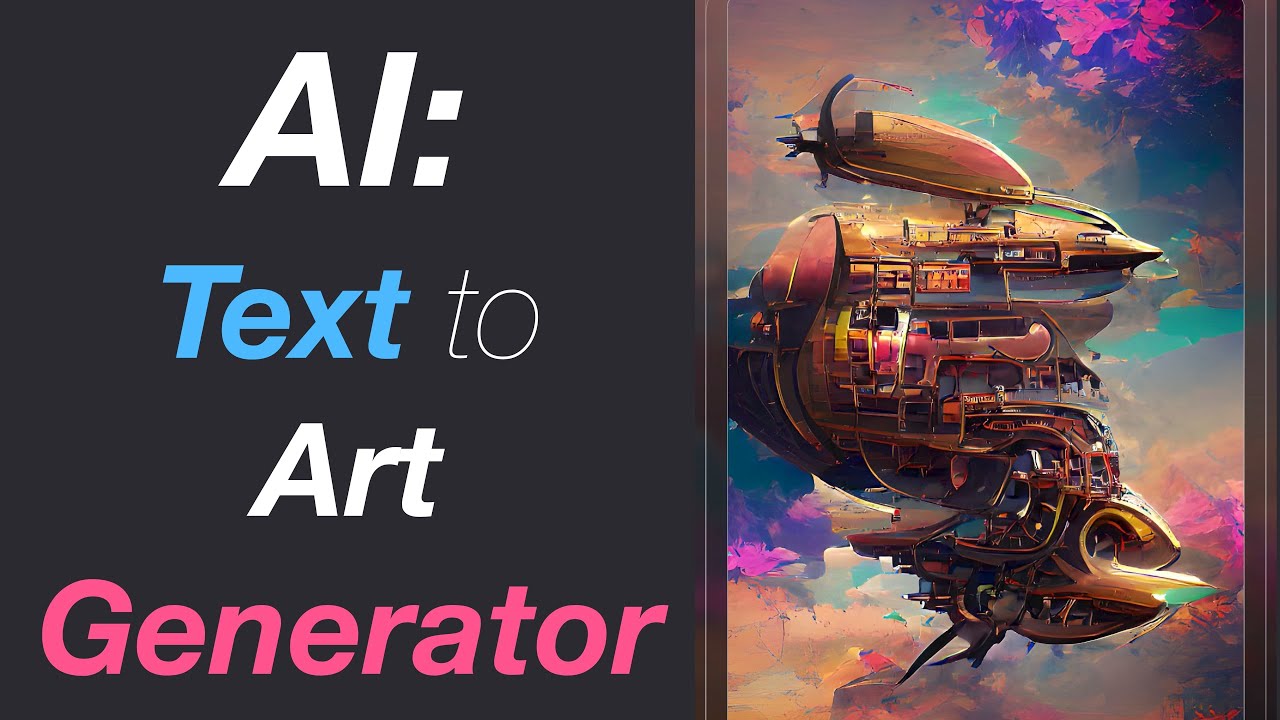
Text-to-image technology is a form of AI image generation that converts written descriptions into realistic or artistic visuals. By analyzing text prompts, AI models understand objects, styles, colors, and scenes, then create images that closely match the user’s request. This eliminates the need for advanced design skills or expensive graphic tools, empowering anyone to turn ideas into images.
How Text-to-Image AI Works
Text-to-image AI systems are trained on massive datasets containing images and their descriptions. When a user enters a prompt, the AI interprets the meaning of the text, identifies visual elements, and generates an image using deep learning techniques. These systems continuously improve by learning patterns, artistic styles, and visual accuracy, resulting in increasingly detailed and creative outputs.
For example, a prompt like “a futuristic city at sunset with glowing lights” can instantly produce a visually stunning image that reflects the description.
Popular Use Cases of Text-to-Image AI
Blogging and Content Creation
Bloggers use text-to-image AI to create custom visuals that match their content, improving engagement and reducing reliance on stock photos.
Marketing and Advertising
Marketers generate eye-catching visuals for ads, banners, and campaigns quickly, helping brands stand out in competitive markets.
Graphic Design
Designers use AI art tools for brainstorming concepts, mockups, and creative inspiration, saving time in the design process.
Social Media
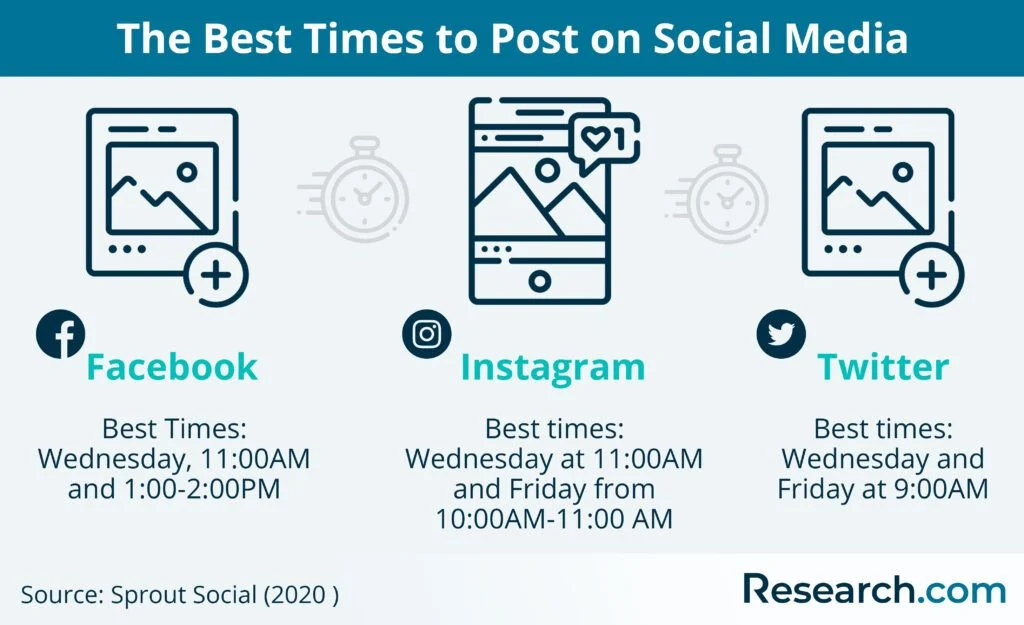
Social media creators produce unique images tailored to trends and themes, increasing audience interaction and reach.
Education and Learning
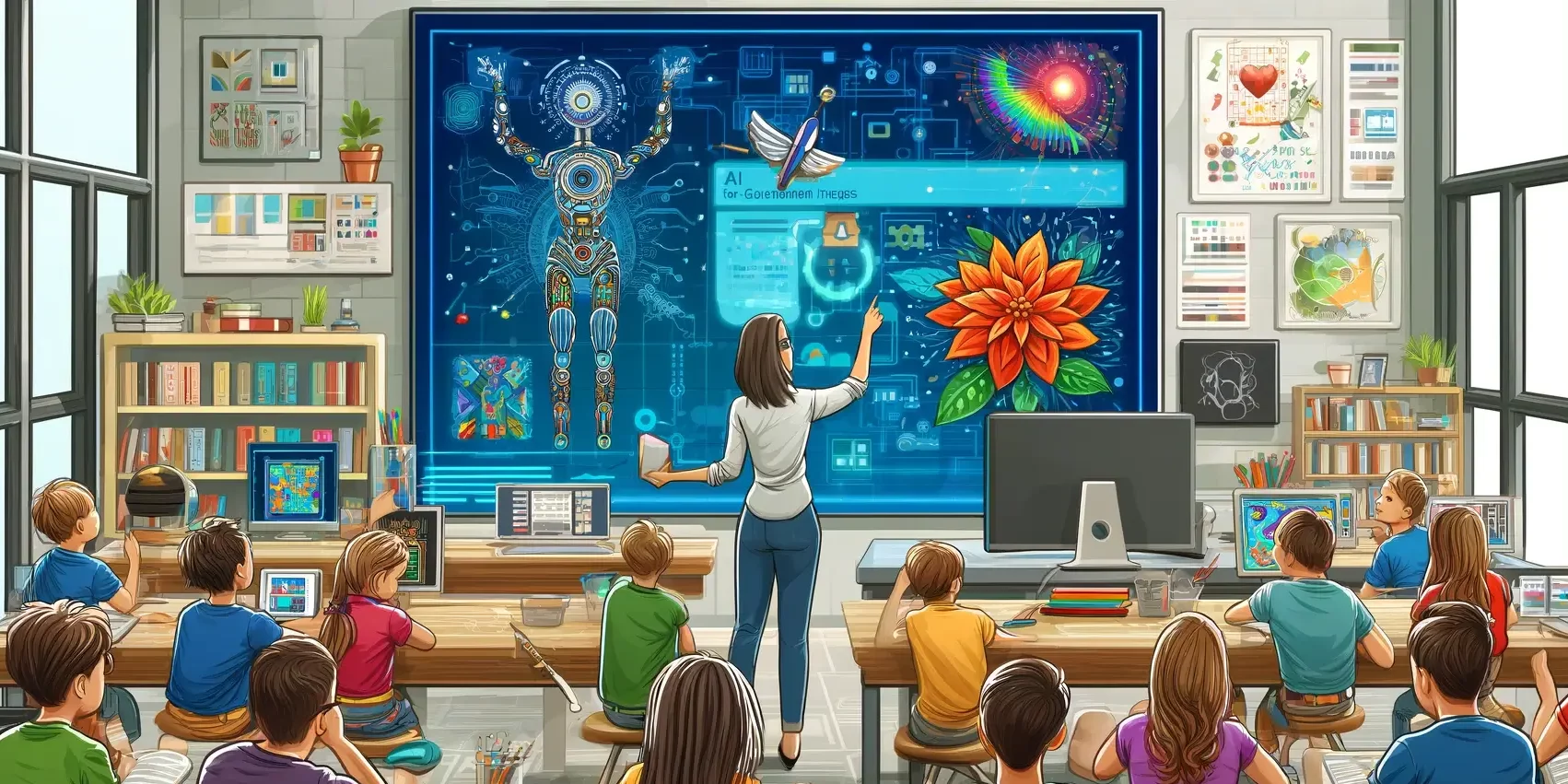
Educators create visual aids and illustrations that simplify complex topics, making learning more engaging and effective.
Benefits of Text-to-Image AI
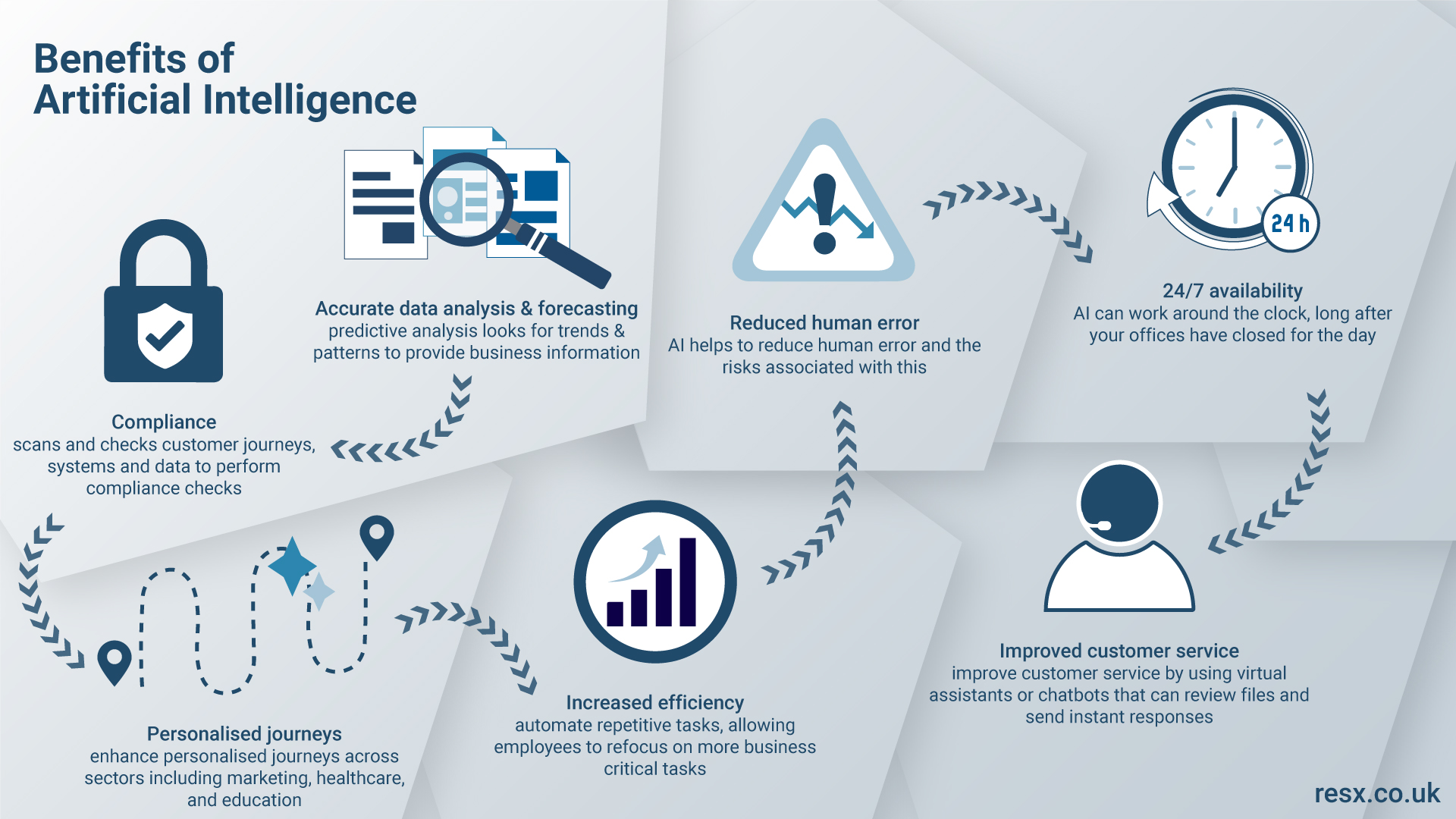
One of the biggest advantages of text-to-image technology is speed. Images that once took hours to design can now be created in seconds. It is also cost-effective, reducing the need for professional design services. Additionally, this technology encourages creative freedom, allowing users to experiment with ideas without limitations. Its accessibility ensures that anyone, regardless of technical skill, can produce high-quality visuals.
Challenges and Limitations
Despite its advantages, text-to-image AI has some limitations. Generated images may occasionally lack accuracy or consistency with complex prompts. There are also ethical concerns related to copyright, originality, and misuse of AI-generated visuals. Understanding responsible use and maintaining transparency are essential as this technology continues to evolve.
The Future of Text-to-Image Technology
The future of text-to-image AI looks promising. As models become more advanced, image quality, realism, and customization will improve significantly. We can expect better control over styles, enhanced realism, and seamless integration with creative software. This technology is likely to become a standard tool across industries, redefining digital creativity.
Conclusion
Text-to-image technology is revolutionizing the way we create and consume visual content. By transforming simple text into compelling images, AI is opening new creative possibilities for individuals and businesses alike. While challenges exist, the benefits and potential of text-to-image AI make it one of the most impactful innovations in modern digital creation.