As we move closer to 2026, businesses, marketers, and creators are searching for smarter ways to manage their online presence. With social platforms becoming more competitive every year, social media automation tools have become essential for boosting visibility, improving productivity, and driving consistent engagement. These tools help brands automate scheduling, streamline analytics, and manage conversations—all while freeing time for creative strategy. Below is a look at what defines the best social media automation tools for 2026 and how they help businesses stay ahead of the digital curve.
1. Smarter Scheduling With AI-Powered Automation
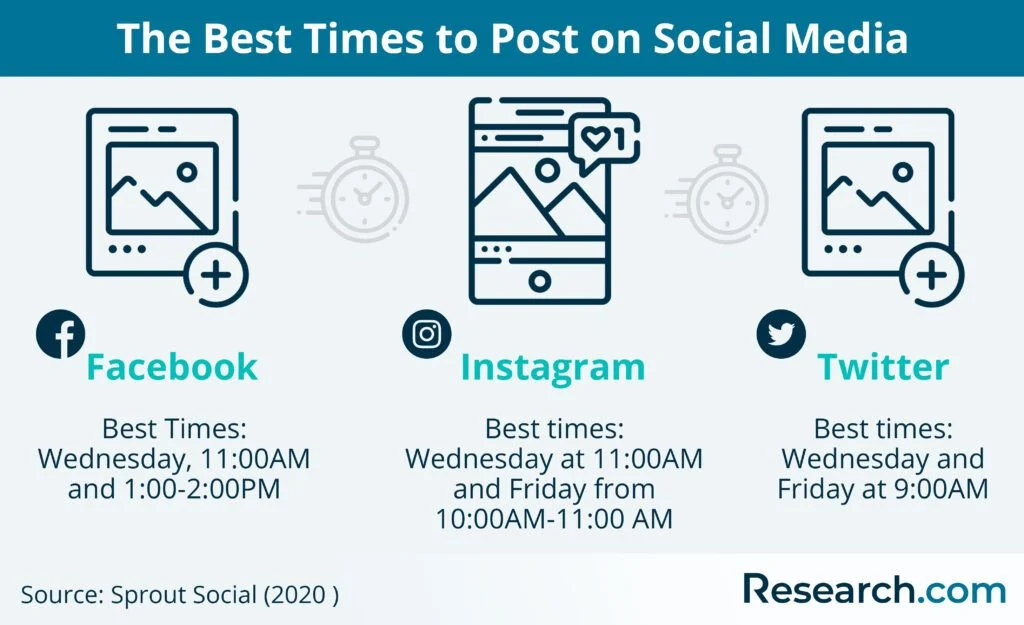
One of the most important features in modern social media management is AI-driven scheduling. Tools built for 2026 are expected to analyze audience behavior, preferred posting times, and content performance to recommend the perfect schedule. Instead of guessing when to post, teams can rely on predictive insights that maximize visibility and engagement.
Advanced scheduling tools also allow you to plan months of content in minutes with automated workflows, content queues, and category tagging. This ensures your brand stays consistent across platforms like Facebook, Instagram, LinkedIn, TikTok, and X—helping you maintain a strong and professional online presence.
2. Cross-Platform Management for Greater Efficiency
Running multiple social media accounts can become overwhelming without the right system. The best automation tools in 2026 focus on cross-platform management, offering a single dashboard to publish, monitor, and analyze performance across all major channels.
Key benefits include:
-
Unified inbox for all messages and comments
-
Shared calendars for team collaboration
-
Real-time alerts and automated responses
-
Centralized content libraries for easy reuse
This not only improves productivity but also keeps your brand voice consistent—an essential factor for digital growth.
3. Advanced Content Generation and Optimization
AI continues to revolutionize how content is created. The top social media automation tools for 2026 integrate AI content generation, enabling users to quickly create captions, hashtags, video scripts, and digital campaigns. These platforms analyze current trends, competitor performance, and keyword relevance to help businesses craft content that resonates.
4. Robust Analytics and Performance Insights
Data-driven decision-making is crucial for any business aiming to scale. The best automation tools offer deep analytics dashboards that track engagement rates, follower growth, impressions, conversions, and competitor benchmarks.
In 2026, analytics systems are more intuitive than ever, with:
-
Predictive performance insights
-
ROI-focused reporting
-
Automated weekly and monthly summaries
-
Trend analysis powered by machine learning
These insights help businesses fine-tune their strategies, understand what content works best, and identify new opportunities for growth.
5. Improved Customer Engagement and Social Listening
Automation goes beyond posting—it plays a major role in customer interaction. Tools with social listening and automated engagement features allow brands to monitor conversations, track sentiment, and respond instantly.
This technology helps businesses:
-
Identify trending topics
-
Track brand mentions
-
Understand customer needs
-
Improve community management
With automated replies and smart filters, brands can maintain meaningful engagement without overwhelming their support teams.
6. Workflow Automation for Teams and Agencies
Businesses with large marketing teams or multiple client accounts rely on automation tools to coordinate tasks efficiently. Features such as approval workflows, shared content calendars, performance reports, and client-access portals help streamline daily operations.
This level of organization ensures that everyone—from content creators to managers—stays aligned, reducing errors and boosting overall productivity.
Conclusion
The best social media automation tools of 2026 are designed to empower brands with smarter scheduling, AI-generated content, real-time analytics, and efficient workflow automation. By embracing these advanced tools, businesses can improve their online visibility, strengthen engagement, and achieve long-term digital growth.