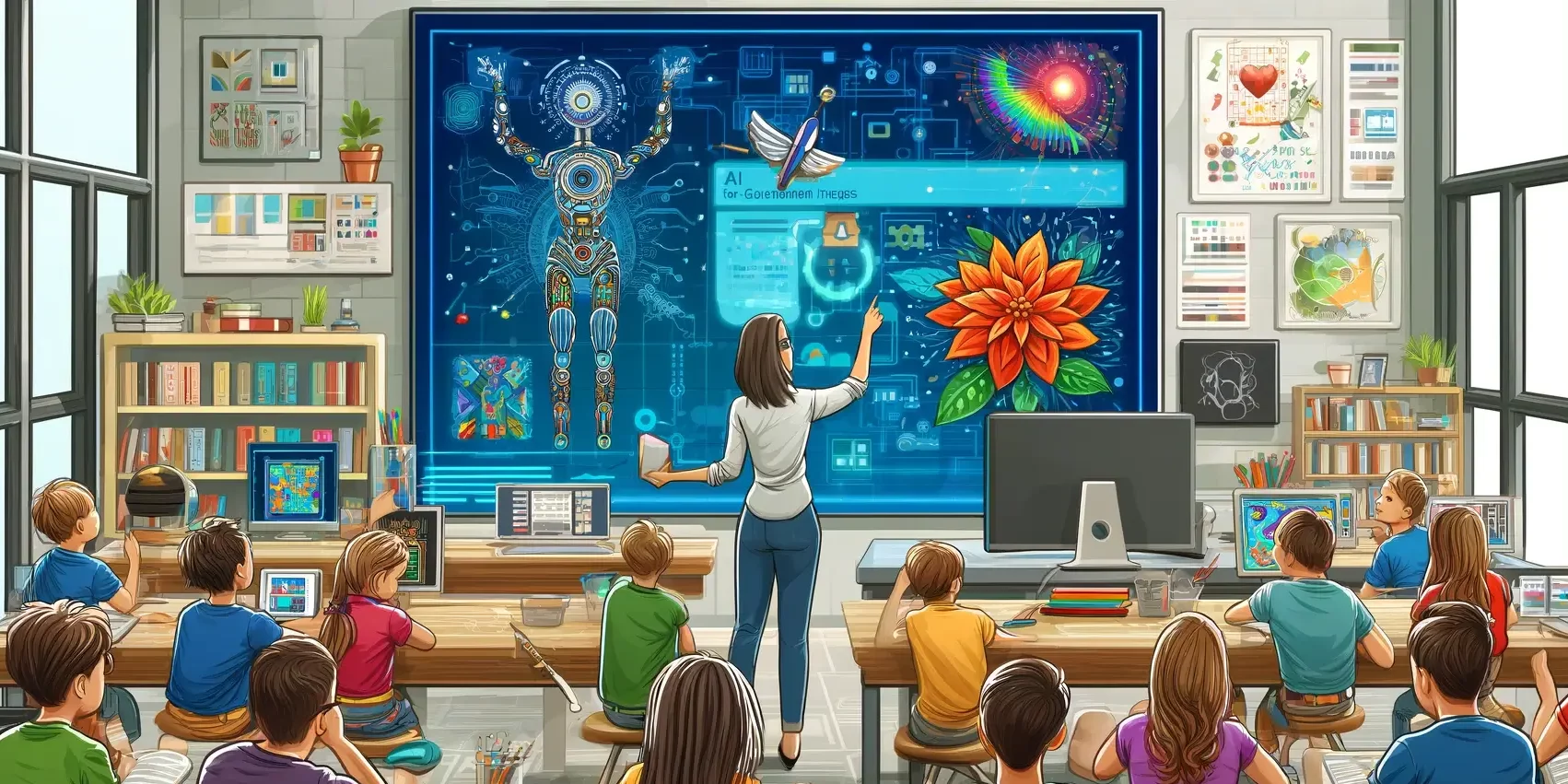
Artificial Intelligence (AI) has transformed the way content is created, distributed, and consumed. One of the most common questions in 2026 is: Can AI make educational content posts? The simple answer is yes — but the real value lies in how AI is used strategically, ethically, and effectively.
AI can generate blog posts, lesson summaries, study guides, explainer articles, quizzes, and structured learning materials in minutes. However, creating high-quality educational content that ranks on Google and builds trust requires more than automation.
How AI Creates Educational Content
AI tools use natural language processing (NLP) and machine learning to analyse large amounts of information and generate structured text. This allows creators to:
-
Draft well-organised educational blog posts
-
Simplify complex topics into easy explanations
-
Generate outlines and learning frameworks
-
Create FAQs for better search visibility
-
Produce topic summaries and revision notes
AI significantly reduces research and drafting time. However, human review is essential to ensure factual accuracy, clarity, and credibility.
Is AI-Generated Educational Content Good for SEO?
Yes — if done correctly.
Google does not penalise AI-generated content simply because it is created with AI. What matters is quality, originality, value, and user intent satisfaction. To meet Google’s algorithm standards in 2026, educational posts must:
-
Provide helpful, accurate, and relevant information
-
Demonstrate subject expertise
-
Avoid keyword stuffing
-
Be structured with clear headings (H1, H2, H3)
-
Include internal and external references where appropriate
-
Offer genuine insights instead of generic text
AI can help structure content, but human editing ensures it aligns with search intent and reader expectations.
The Importance of E-E-A-T in AI Educational Content
Google prioritises content that shows:
Experience – Real-world insights, case examples, or practical application
Expertise – Demonstrated subject knowledge
Authoritativeness – Credible voice within the topic
Trustworthiness – Accurate, transparent, and reliable information
AI alone cannot provide lived experience. To strengthen E-E-A-T, creators should:
-
Add personal insights or professional commentary
-
Cite reputable sources
-
Include author bios with credentials
-
Keep content updated with current data
-
Fact-check all AI-generated information
This hybrid approach ensures educational content remains trustworthy and ranks sustainably.
Benefits of Using AI for Educational Posts
-
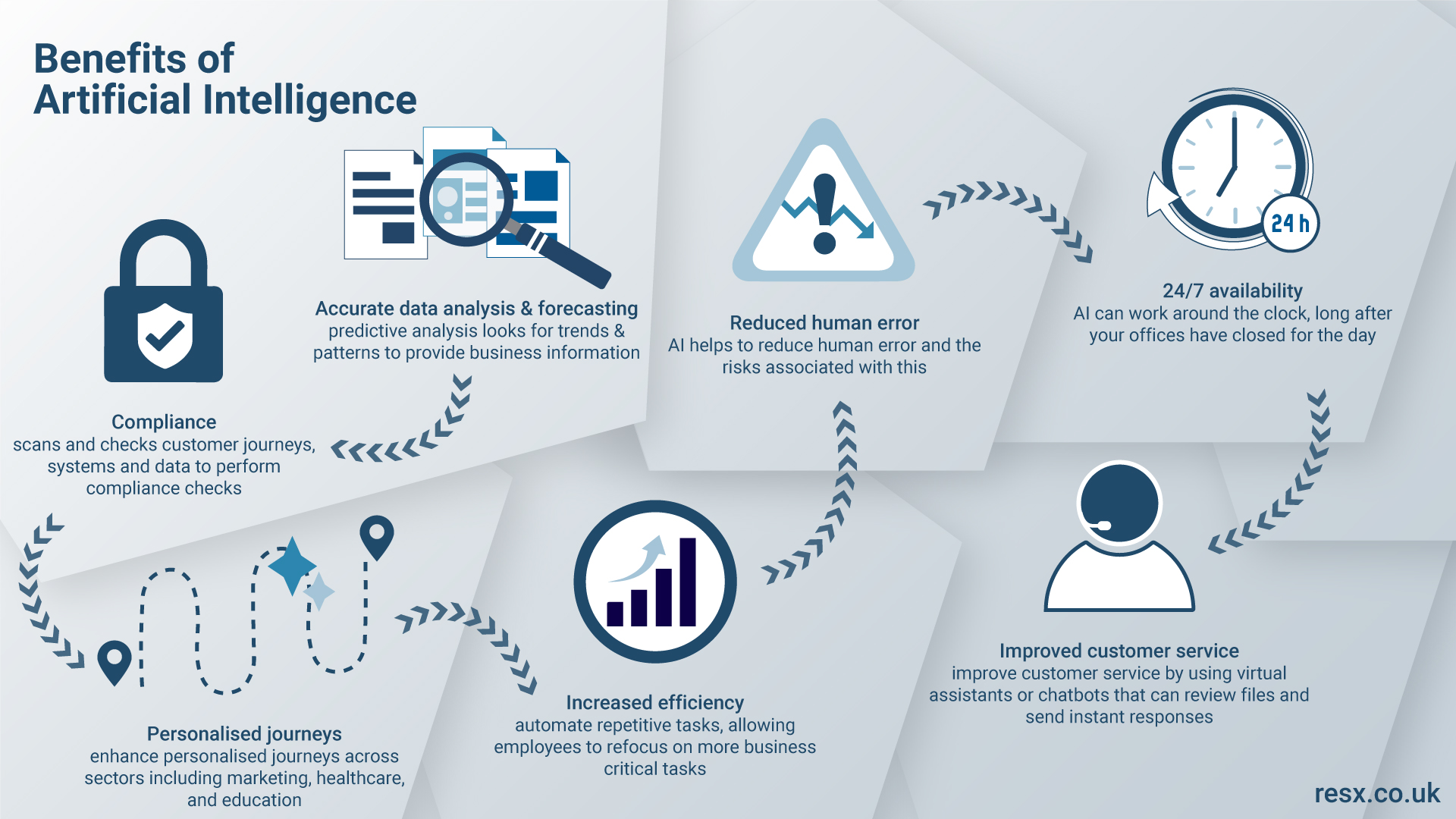
Efficiency – Faster research and drafting
-
Scalability – Produce more learning materials consistently
-
Content Structuring – Clear outlines and logical flow
-
Idea Generation – Topic suggestions based on search trends
-
Content Optimisation – Assistance with headings, keywords, and readability
For teachers, tutors, bloggers, and educational businesses, AI can act as a powerful assistant — not a replacement for expertise.
Limitations of AI in Education Content Creation
While AI is powerful, it has limitations:
-
It may generate outdated or incorrect facts
-
It lacks emotional intelligence and nuanced judgment
-
It may produce generic or repetitive phrasing
-
It cannot replace professional accreditation
Educational content that involves health, finance, legal advice, or academic standards requires extra review and professional validation.
Best Practices for Creating AI-Assisted Educational Content
To ensure your posts meet Google’s quality guidelines:
-
Start with a clear target audience
-
Focus on solving a specific problem
-
Use natural, conversational language
-
Break content into short, readable sections
-
Include bullet points and structured headings
-
Optimise meta titles and descriptions
-
Add FAQs to capture long-tail searches
-
Proofread for originality and clarity
Most importantly, always edit AI drafts to reflect your voice and expertise.
Can AI Replace Human Educators?
No. AI enhances productivity but cannot replace human teaching experience, empathy, or mentorship. The most effective strategy is collaboration — where AI handles drafting and structuring, and humans provide expertise, accuracy, and real-world understanding.
Final Thoughts
AI can absolutely create educational content posts in 2026 — but success depends on responsible use. When combined with human expertise, AI becomes a powerful tool for delivering informative, engaging, and search-optimised educational content.
Creators who focus on originality, factual accuracy, and E-E-A-T principles will benefit most from AI-driven content strategies. The goal is not automation alone, but value-driven education that truly helps readers learn and grow.