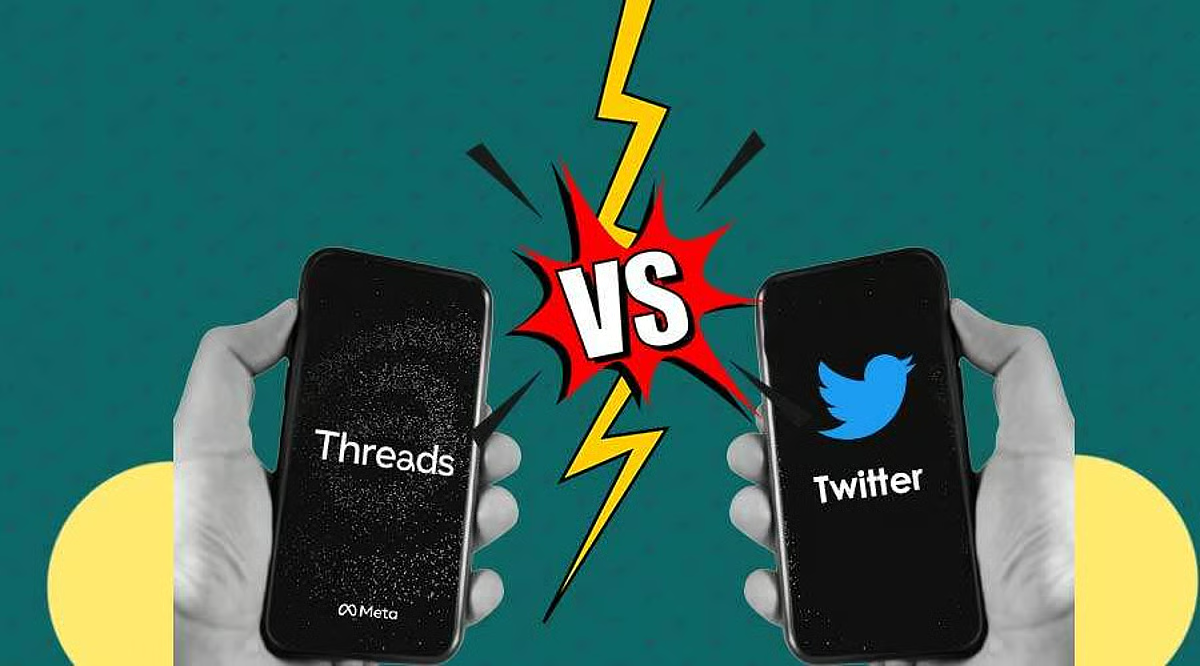
In today’s fast-paced digital world, social media isn’t just about staying connected—it’s about making an impact, building your brand, and engaging with audiences in meaningful ways. Two platforms that are currently sparking major conversations are Threads and Twitter. While both offer microblogging experiences, they cater to slightly different audiences and user behaviors. If you’re a business, influencer, or social media enthusiast looking to maximize your online presence, understanding the nuances between Threads and Twitter is crucial.
User Experience: Simplicity vs. Familiarity
Twitter, the veteran of microblogging, has been the go-to platform for real-time updates, trending topics, and viral conversations. Its timeline-based interface allows users to scroll endlessly through tweets, retweets, and replies. This familiar setup fosters fast-paced interactions, ideal for breaking news, thought leadership, and trending discussions.
On the other hand, Threads, a newer player, emphasizes simplicity and community-focused engagement. Integrated closely with Instagram, Threads allows users to leverage their existing Instagram audience, creating a seamless cross-platform experience. Its clean design and intuitive layout make it appealing for users who want to share updates without the overwhelm of excessive notifications or ads.
For businesses and content creators, Threads offers the advantage of Instagram synergy, making it easier to convert followers into engaged readers. Meanwhile, Twitter remains unmatched for tapping into broader, global conversations and trending hashtags.
Audience Engagement: Community vs. Reach
Engagement is the lifeblood of social media, and this is where the two platforms diverge. Twitter is all about reach and virality. With millions of active users worldwide, your tweets have the potential to go viral in minutes, especially if they align with trending hashtags or hot topics. However, the fast-moving nature of Twitter can sometimes make sustained engagement challenging, as content quickly gets buried under new posts.
Threads, however, focuses on deep, meaningful interactions. Conversations tend to be more threaded and organized, encouraging thoughtful replies rather than fleeting likes. For brands and creators aiming to nurture loyal communities, Threads provides a space to cultivate relationships and spark discussions that resonate on a personal level. This community-oriented approach can enhance customer retention and build a more dedicated following.
Content Strategy: Brevity vs. Personality
Twitter is known for its concise, punchy content. Success on Twitter often depends on your ability to craft witty, newsworthy, or thought-provoking tweets that capture attention quickly. It’s a platform where trending news, memes, and bold opinions thrive, making it ideal for brands that want to stay relevant in real-time.
Threads, by contrast, leans into authenticity and personality. The integration with Instagram’s visual-first platform allows users to complement text updates with media, creating a richer storytelling experience. Brands and influencers can share behind-the-scenes insights, personal stories, or community-focused updates that feel relatable and human. In an era where consumers crave authenticity, Threads provides a space to connect on a deeper emotional level.
Advertising and Monetization Opportunities
When it comes to monetization, Twitter has long offered promoted tweets, ad campaigns, and analytics tools to help brands reach wider audiences. Advanced targeting options ensure businesses can strategically reach their ideal customers.
Threads, being relatively new, is still developing its monetization ecosystem. However, the close tie with Instagram opens doors for cross-platform advertising and influencer collaborations, allowing brands to tap into a highly engaged audience with familiar Instagram analytics. For marketers, this presents a unique opportunity to blend content and commerce seamlessly, boosting conversion potential.
Which Platform Should You Choose?
Ultimately, the choice between Threads and Twitter depends on your goals:
-
Choose Twitter if your priority is reach, virality, and staying on top of global trends. It’s perfect for brands, journalists, and thought leaders looking to influence large audiences and participate in real-time conversations.
-
Choose Threads if your focus is on community building, authentic storytelling, and leveraging your Instagram presence. It’s ideal for brands and creators aiming for long-term engagement and loyal follower growth.
In 2026, social media success isn’t just about being present—it’s about strategically engaging your audience. Understanding the differences between Threads and Twitter allows you to craft a content strategy that maximizes both visibility and impact. By leveraging the unique strengths of each platform, businesses can drive engagement, increase conversions, and establish a strong online presence.
Whether you’re tweeting your next viral thought or sharing your day-to-day journey on Threads, the key is to know your audience, create meaningful content, and stay consistent. With the right approach, either platform can be a powerful tool to grow your brand, connect with customers, and amplify your voice online.
Read More: What Does “Ion” Mean in Text? The Slang Everyone’s Using in 2026